1. Could you tell us a little about yourself and your professional journey so far?
Born and raised in Mauritius, I enjoy pretty much any outdoor activities that our island offers. Professionally, my journey began in Property Management, where I was responsible for managing income-generating assets. That experience taught me the importance of being detail-oriented, organized, and having a long-term strategic mindset. I also gained experience in retail, distribution, and after-sales operations, which exposed me to the day-to-day realities of running a business and understanding customer needs.
2. You have recently been mandated to support the Group’s marine cluster, with a particular focus on Taylor Smith Shipyard and Integrity Metal Works. Can you tell us more about this new responsibility and what it entails?
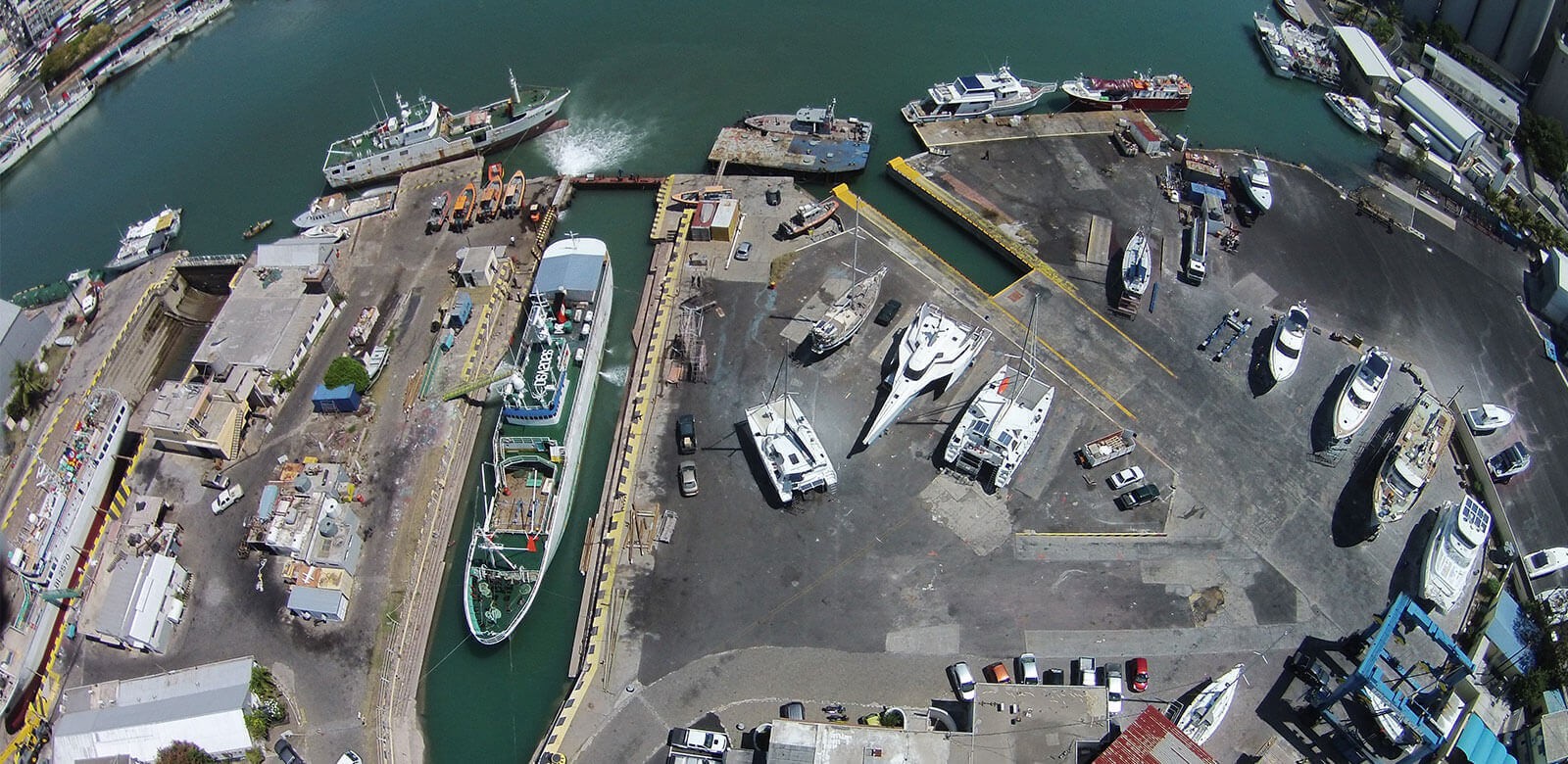
This new challenge is very exciting , and forces me to query and understand everything from the ground up. The role is both strategic and operational, leading me to review operational processes and reporting structures to ensure the businesses are operating efficiently. The shipyard and metal works activities are complementary, therefore, I also have a strong focus on creating better synergies between the teams and leveraging the Group’s internal expertise more effectively.
3. On the occasion of World Oceans Day, how do you think companies operating in the maritime sector are contributing to the sustainable use and appreciation of our oceans?
For an island like Mauritius, the ocean is not only part of our identity, but also a key pillar of our economy, supporting many industries such as tourism, trade, fishing, and marine services, to name only a few. Continuously improving our environmental awareness, investing in more efficient infrastructure or even reducing the smallest waste are what drive us towards a more sustainable tomorrow. As professionals, but also as Mauritians who live so closely connected to the sea, I believe we all have a role to play in protecting it.
4. The Taylor Smith Group has it’s origins in the shipyard and has always been closely connected to the maritime industry. What makes being part of this legacy particularly meaningful to you?
The history of Taylor Smith Shipyard goes back generations, and has played a historical part in the development of our island. There is a strong human aspect behind the business, built on decades of expertise, craftmanship and hard work. Being able to work alongside these teams, learn from them, and contribute to the next chapter of this cluster is very motivating and something I genuinely consider a privilege. For me personally, it is not just about preserving a legacy, but about helping modernise and position the business for the future as I believe the potential for growth within this cluster is significant.
5. World Oceans Day highlights our shared responsibility towards the oceans. How do you see collaboration within the Group helping to build a stronger and more sustainable future for the maritime sector?
While the marine cluster plays a direct role in supporting vessels, ports, and maritime operations, building a more sustainable future goes beyond the shipyard. Expertise in engineering, manufacturing, water management, energy, and property development can all contribute to creating more efficient and environmentally responsible solutions. Our Group’s diversity of expertise enables us to share knowledge, challenge existing practices, and identify opportunities that may not be visible when operating in silos. Today, I feel that everyone tends to look for the next big sustainable idea that will impress everyone. My thinking is that sustainability is achieved through the accumulation of many small improvements over time.
6. Finally, what message would you like to leave our readers about the relationship between business, responsibility and the ocean?
For us Mauritians, the ocean supports our economy, and our way of life. Businesses have a role to play in setting standards, improving practices, and thinking long-term rather than only focusing on short-term results. Our responsibility starts with being conscious of the impact our actions can have, even the small everyday decisions. At the end of the day, protecting the ocean is not only an environmental responsibility, but also an economic and human one.